Graduating Generations Project (GG)
The Graduating Generations (GG) Project is a targeted livelihoods initiative designed to support extremely poor households with Orphans and Vulnerable Children (OVCs) to transition from extreme poverty to resilient livelihoods and sustained well-being through an integrated Graduation Approach.
Implementation Period: 2026–2027
Implementing Partners: Catholic Relief Services (CRS), County Government of Isiolo and Caritas Isiolo
Donor: Catholic Relief Services (CRS)
Geographic Focus: Oldonyiro (289 households), Chari (130 households), and Bulla Pesa (331 households) in Isiolo County
Target Reach: 750 extremely poor households with OVCs
Project Goal
To enable extremely poor households with OVCs to transition toward resilient livelihoods and sustained well-being.
The Graduation Approach
The GG Project applies the proven Graduation Approach, which targets the poorest households through a carefully sequenced and integrated package of interventions delivered over a defined, time-bound period. The approach combines livelihood investments, social protection, financial inclusion, and coaching to help households overcome extreme poverty and build sustainable resilience. All interventions are tailored to the local context and the specific needs of participating communities
Four Pillars of Intervention
Expected Outcomes
By the end of the project, participating households are expected to:
1. Achieve improved food security and reliable access to essential health and social services.
2. Operate viable and diversified livelihood enterprises that generate sustainable income.
3. Strengthen their financial resilience through regular savings, prudent financial management, and appropriate use of financial services.
4. Demonstrate greater resilience to shocks and stresses, increased self-confidence, and stronger participation in household and community decision-making.
5. Sustain positive livelihood and well-being outcomes beyond the life of the project.
GG Pathways to Resilience
These stories highlight the ongoing remarkable journeys of vulnerable households in Isiolo County, showing how the Graduating Generations Project is enabling families to move from hardship towards resilience, and hope
Habiba Ali Galgalo
Habiba Ali Galgalo, a 37‑year‑old butcher from Goda in Chari Ward, once struggled to provide even a single meal a day for her family. Sleepless nights, unpaid school fees, and constant financial stress defined her life before joining the Graduating Generations Project. “Before joining the project, life was very difficult. We did not have enough money, and sometimes my family would go without food,” she recalls. Her children, all under 17, were among the Orphans and Vulnerable Children (OVCs) the project specifically targeted to ensure they could remain in school and access basic needs.
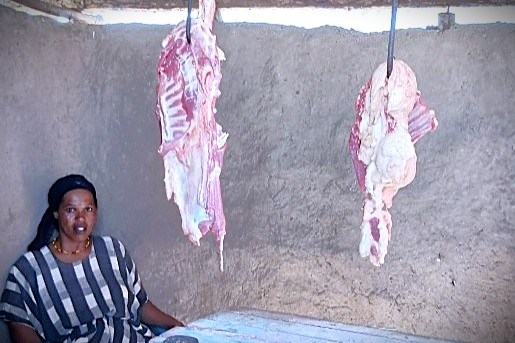
Today, Habiba’s story is one of transformation. With the GG livelihood grant, financial literacy training, and mentorship, she has strengthened her butchery business into a reliable source of income. Her children now attend school without interruption, equipped with uniforms, learning materials, and exam fees covered on time. She saves regularly through a SILC group, and her household enjoys stability and peace. Beyond financial security, Habiba is gaining confidence and hope, becoming a role model in her community and inspiring other women and OVC households to embrace small businesses and savings groups. Her journey embodies the GG Project’s vision of helping vulnerable families graduate from hardship to resilience.
Abdia Boru
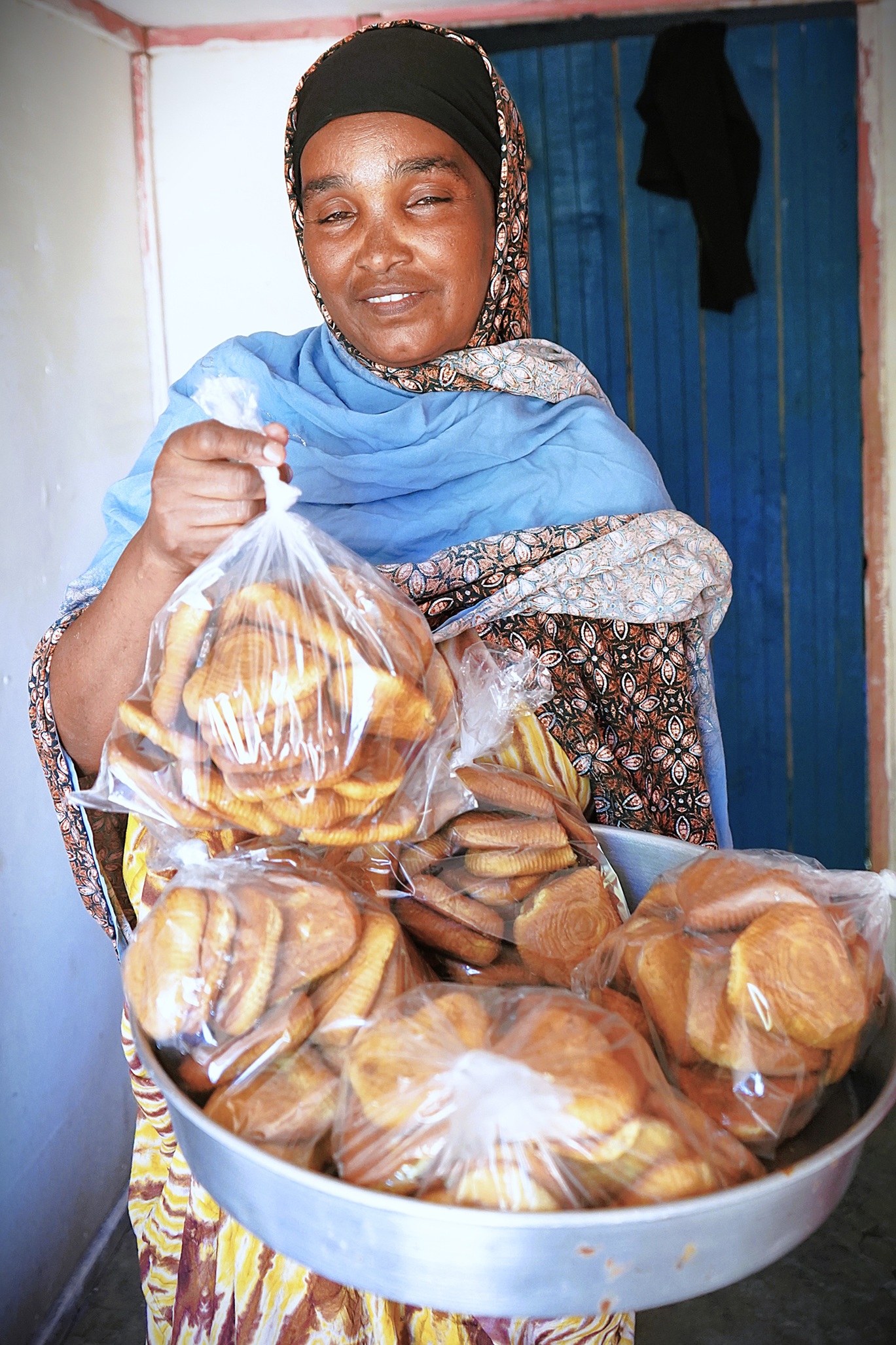
Abdia Boru, a 37‑year‑old widow from Bora Afya Village in Bulapesa Ward, spent years working in someone else’s bakery, dreaming of owning her own. “I had the skills but no money to start. As a widow, it was difficult to provide for my family, and I often worried about our future,” she recalls. With no savings or capital, her children’s education and household needs were a constant struggle.
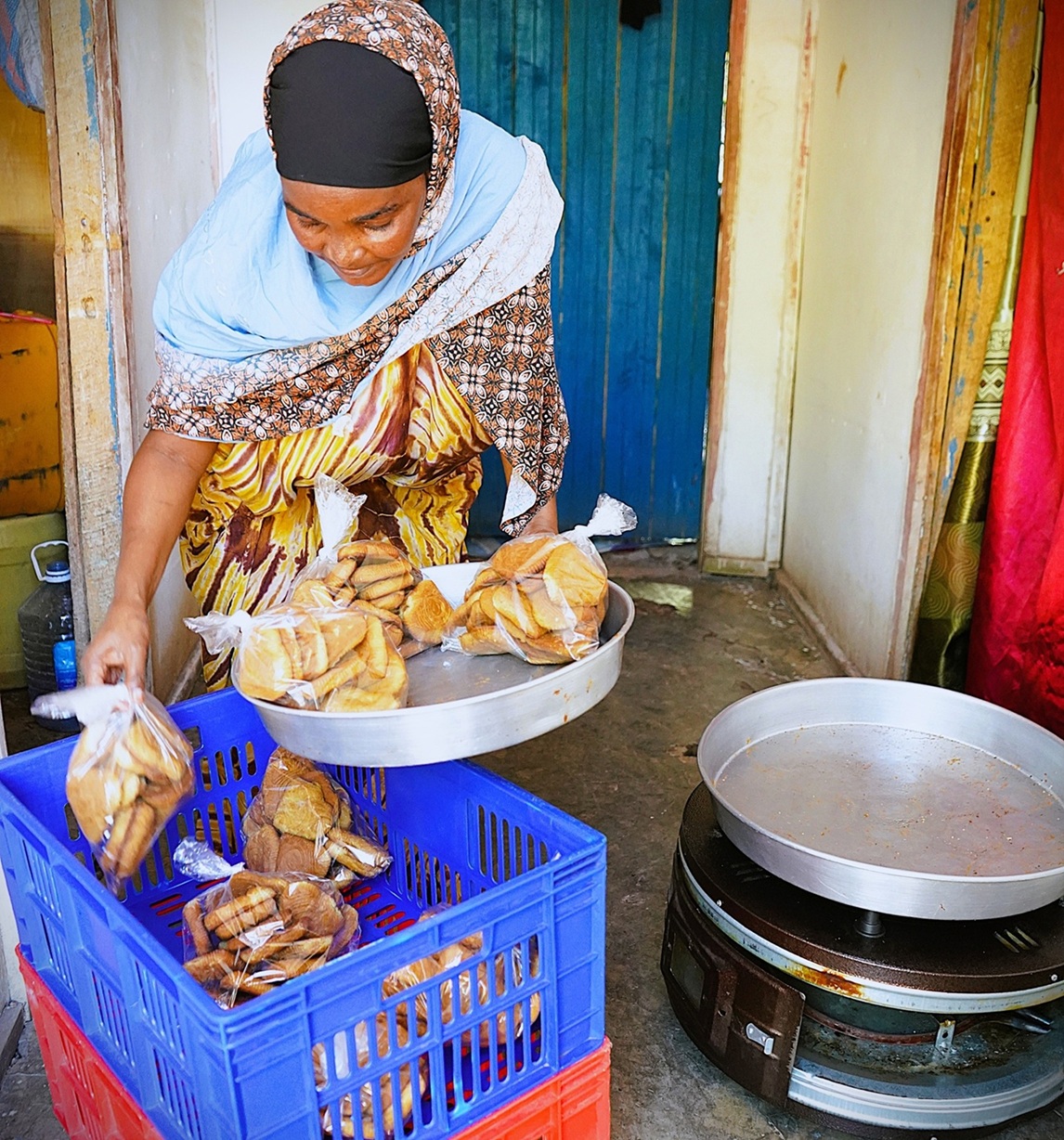
Through the Graduating Generations Project, Abdia received livelihood support and business training, joined a savings group and learned financial literacy, coupled with ongoing mentoring and coaching. Today, she runs her own bakery shop, earns a stable income, and saves regularly. Her children’s school needs are met, her household is secure, and she has become an inspiration to other women in her community. Abdia’s journey demonstrates how the Graduation pillars can transform vulnerability into resilience and dignity.
Nolmugein Meisimu Lelempere
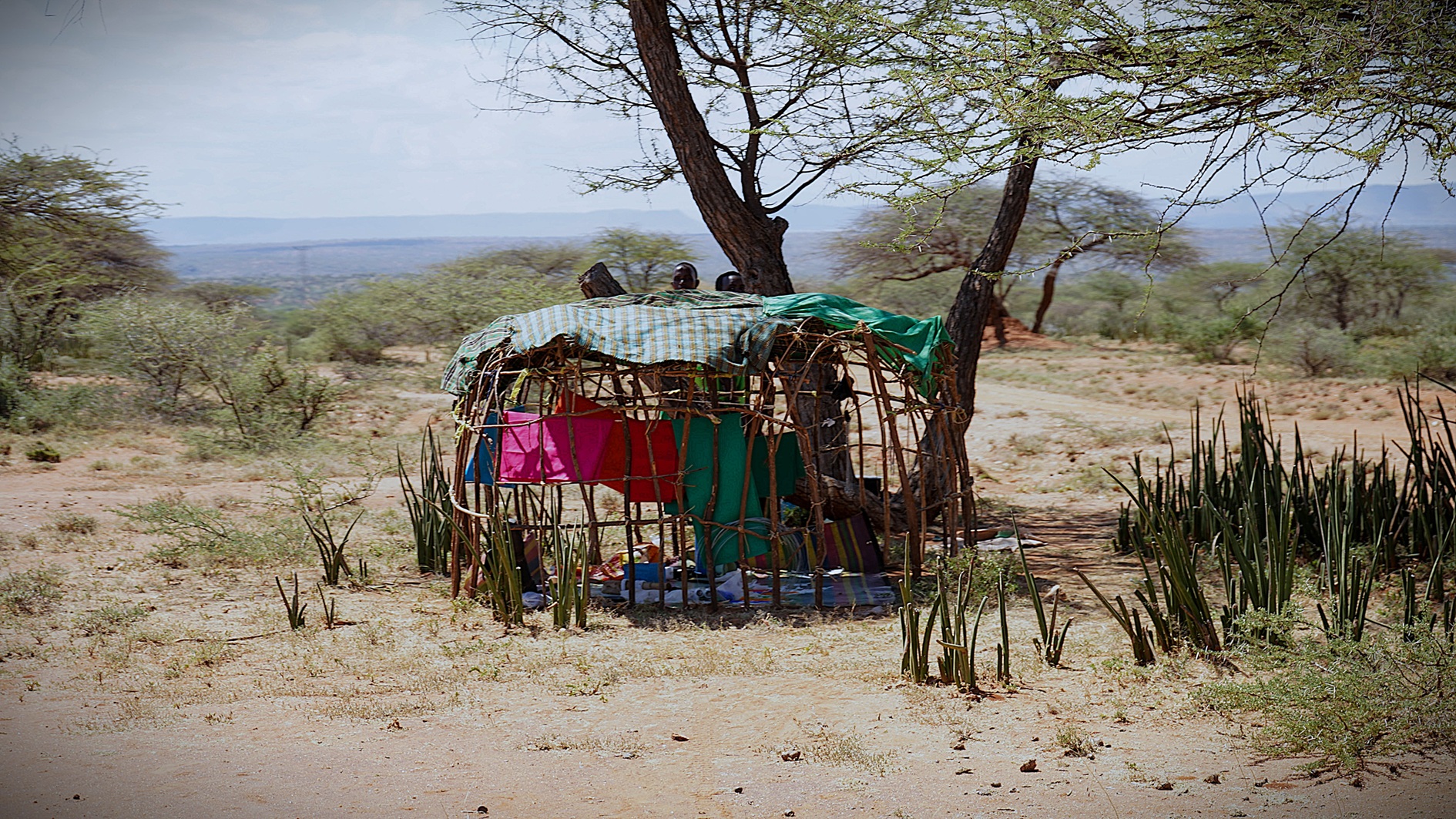
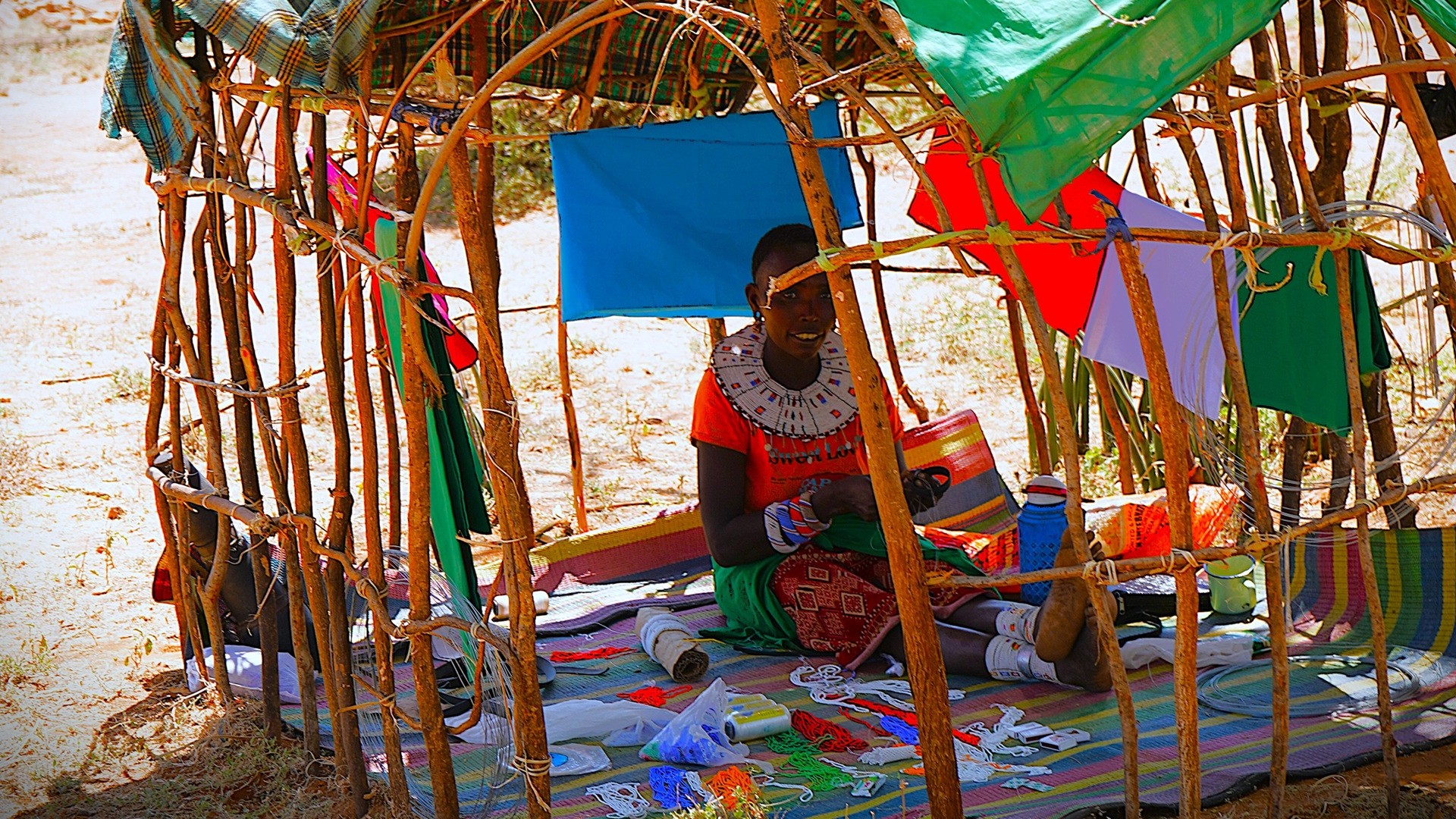
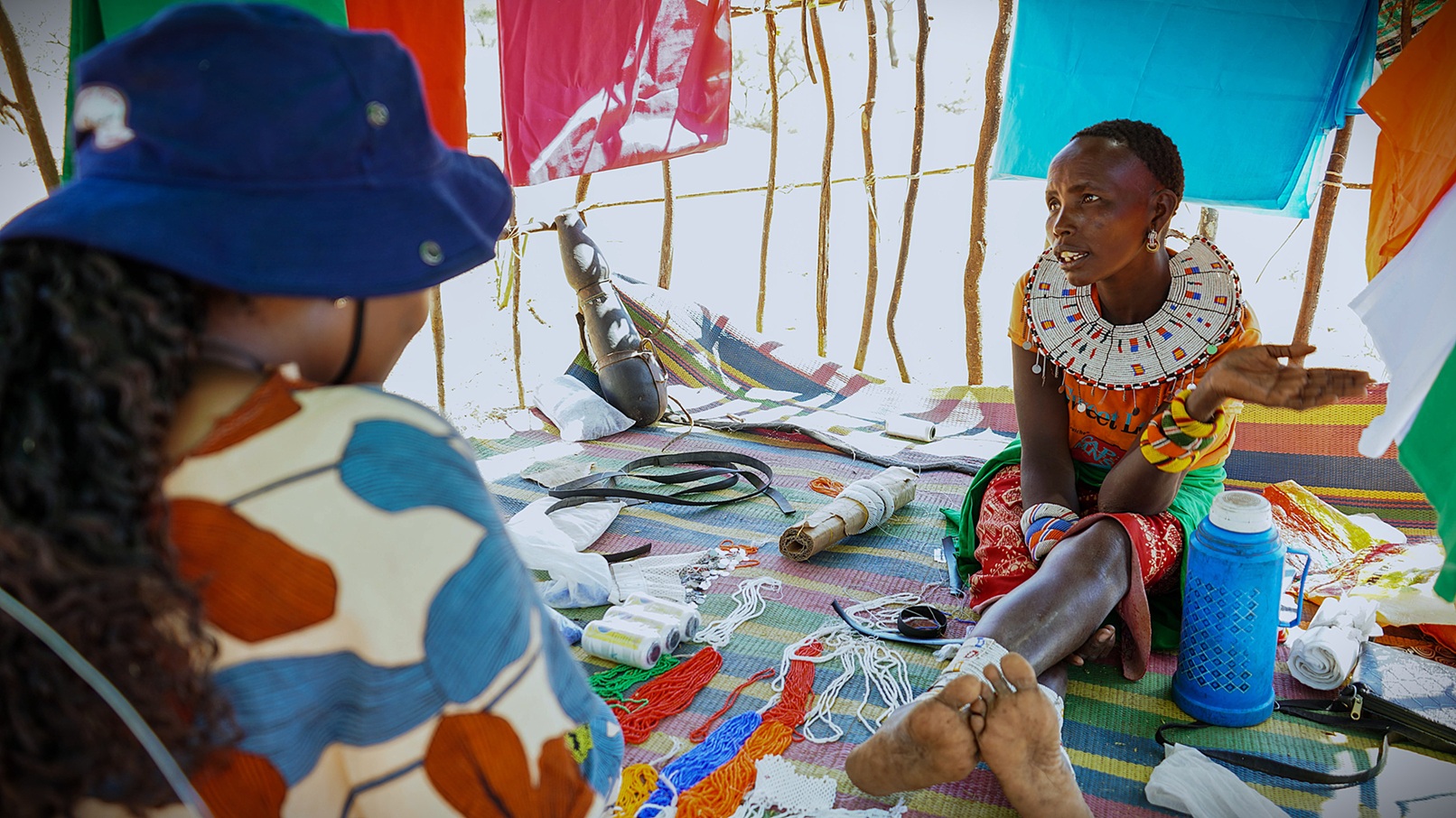
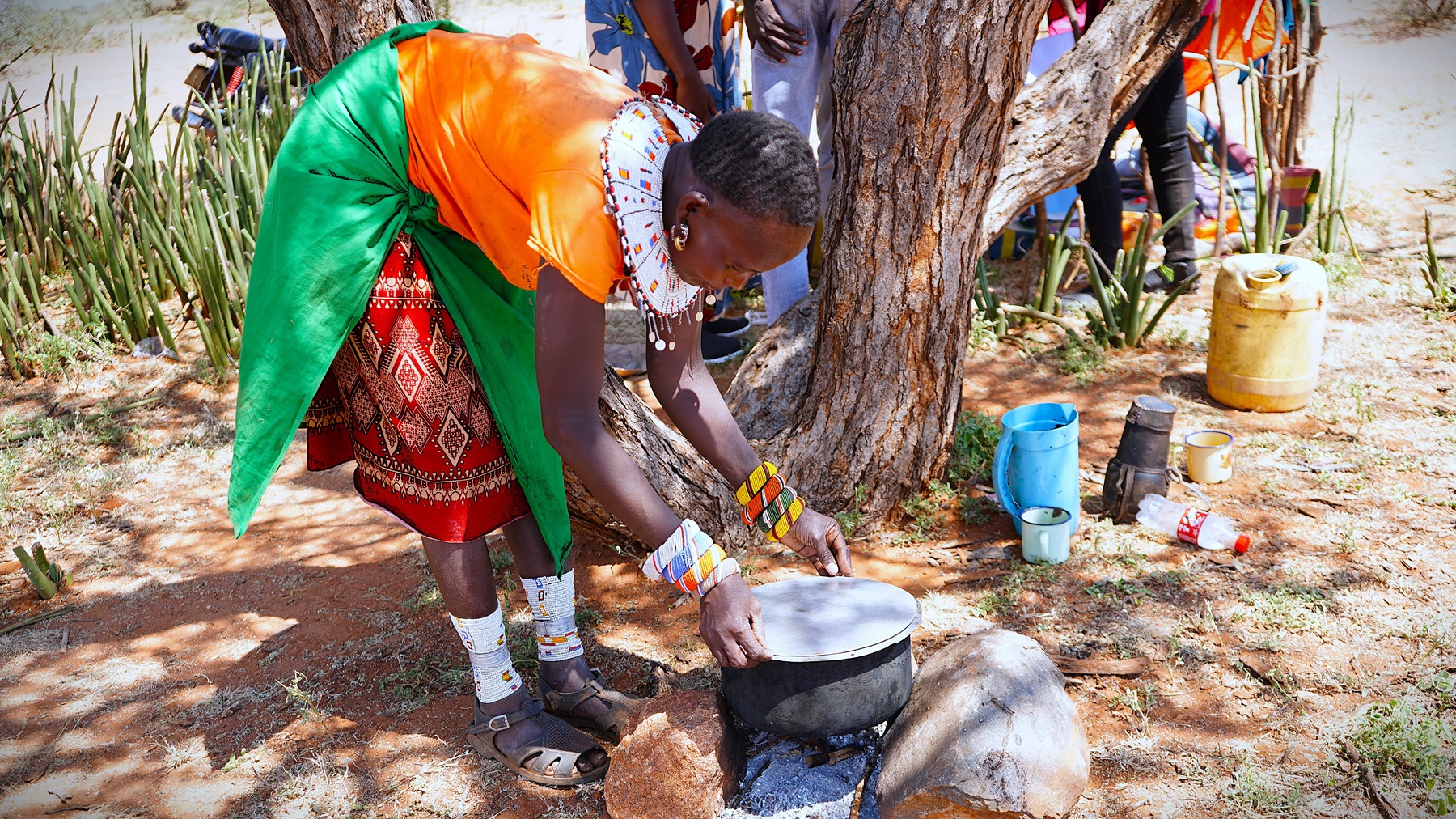
Nolmugein Meisimu Lelempere, a 33‑year‑old single mother from Tuale village, once walked 14 kilometers daily to fetch water, often carrying heavy jerricans on her back. Her household survived on selling a few goats, meals were skipped, and her children missed school due to unpaid fees. “Life was very difficult, full of numerous problems to fulfill household needs,” she recalls. Poverty left her excluded from community decision‑making and weighed heavily on her family’s wellbeing.
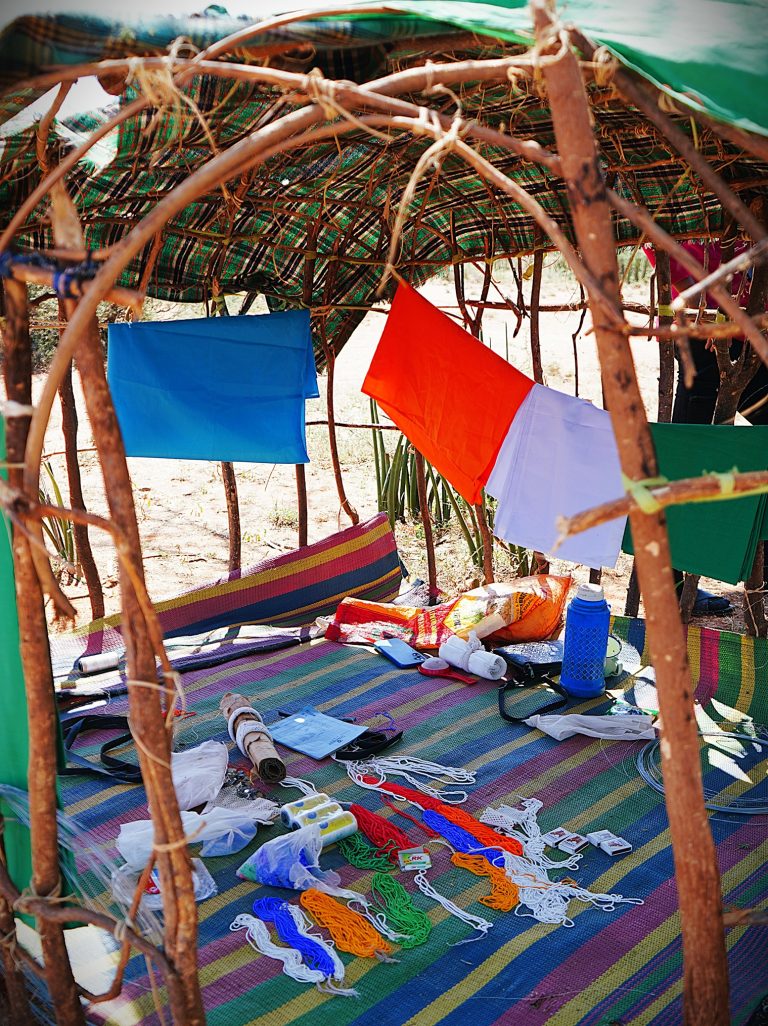
Through the Graduating Generations Project, Nolmugein received a livelihood grant of ksh 24,000 and mentorship that enabled her to start a beadwork business. Linked to savings groups and trained in financial literacy, she now earns a steady income, saves regularly, and can pay for her children’s education and healthcare. Her household enjoys food security, time‑saving tools, and stronger family support. Beyond economic stability, Nolmugein has gained confidence and a voice in household and community decisions. Her journey reflects the power of the Graduation pillars stabilization, resilient livelihoods, financial health, and empowerment in transforming vulnerability into resilience.